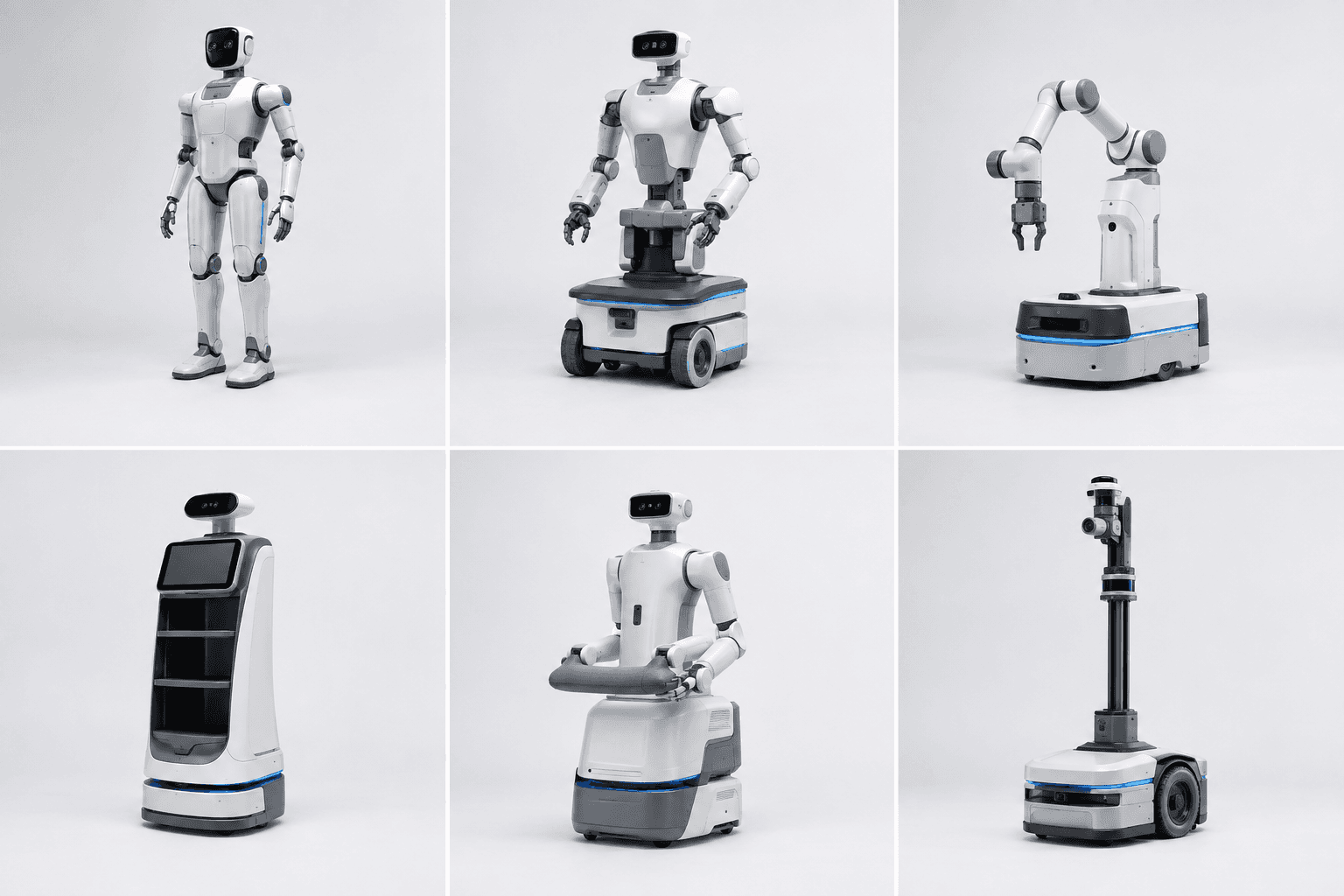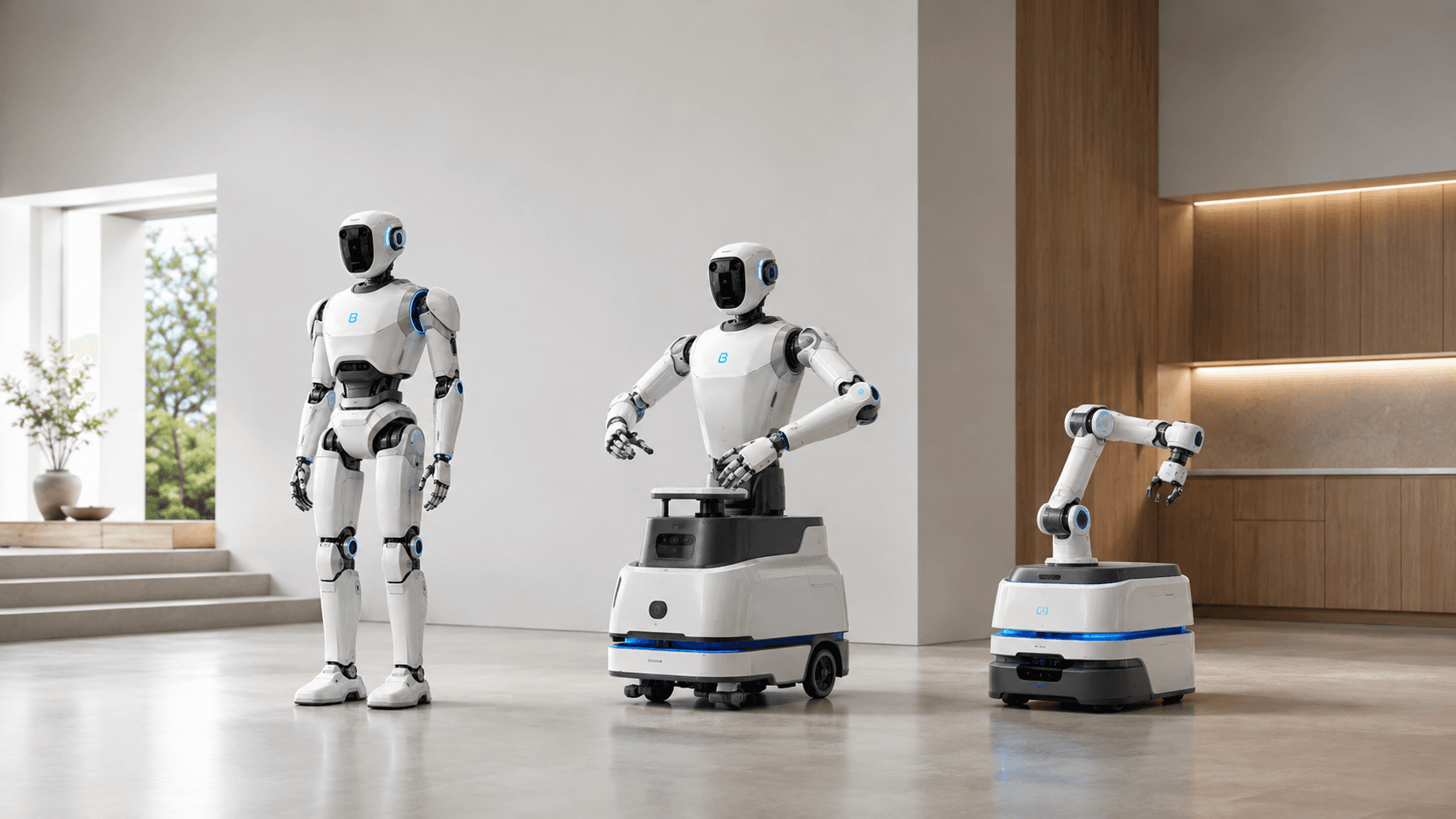
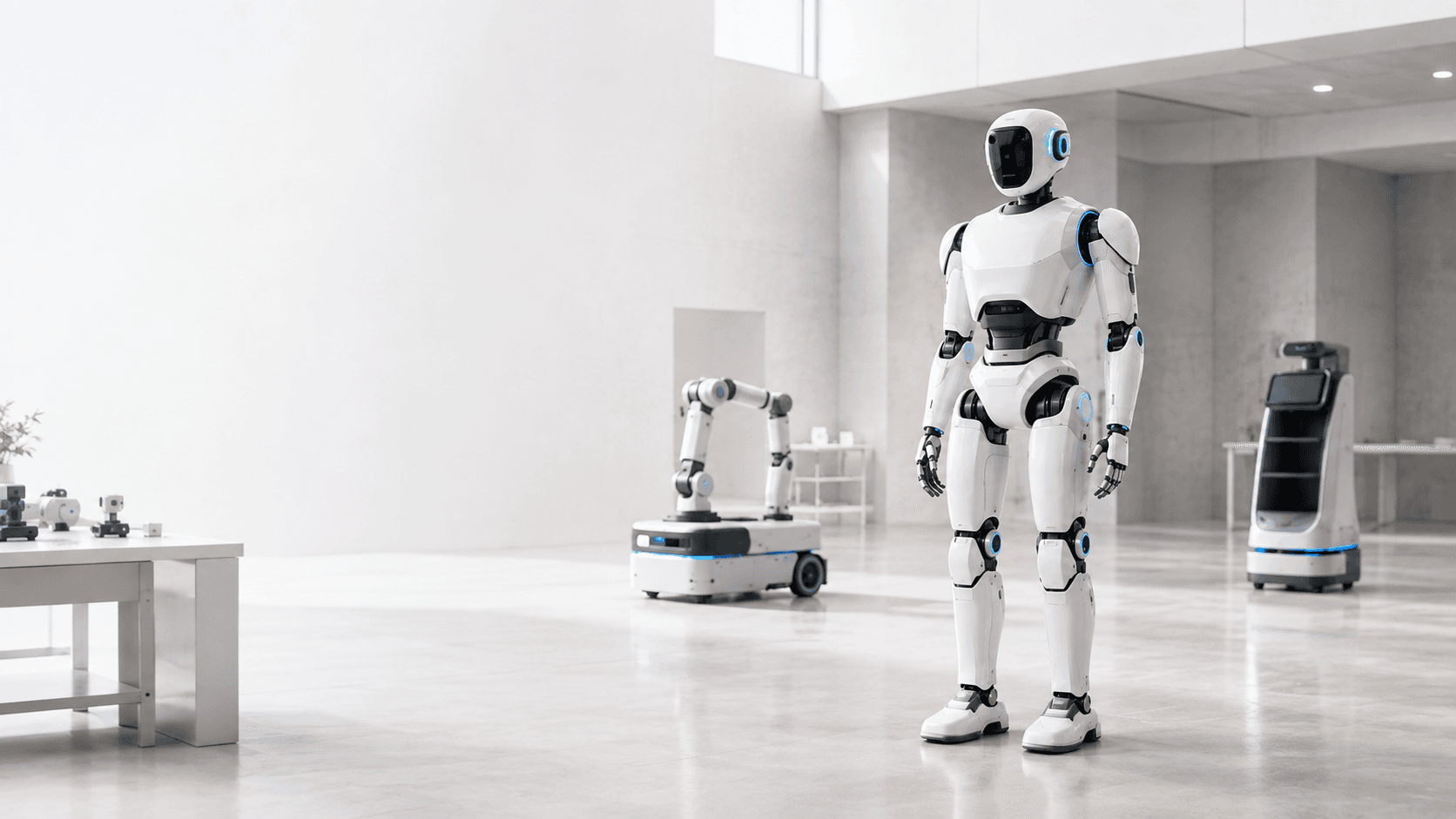
Concept visual of three BELTH platform variants: a humanoid, a wheeled humanoid and a mobile arm

AI systems for the physical world.

Modular AI and control software for robots, drones and autonomous platforms. We build the intelligence; the hardware comes from manufacturers and partners.

Software built for real-world platforms

From humanoid robots and mobile manipulators to cargo drones and autonomous inspection.

Humanoid robotics

Areas of work

Three areas, one technology base

The same perception, navigation and safety modules return across our software for robots, humanoid robots and autonomous drones.

  1. Partner hardware
  2. BELTH software
  3. Intelligent autonomous system
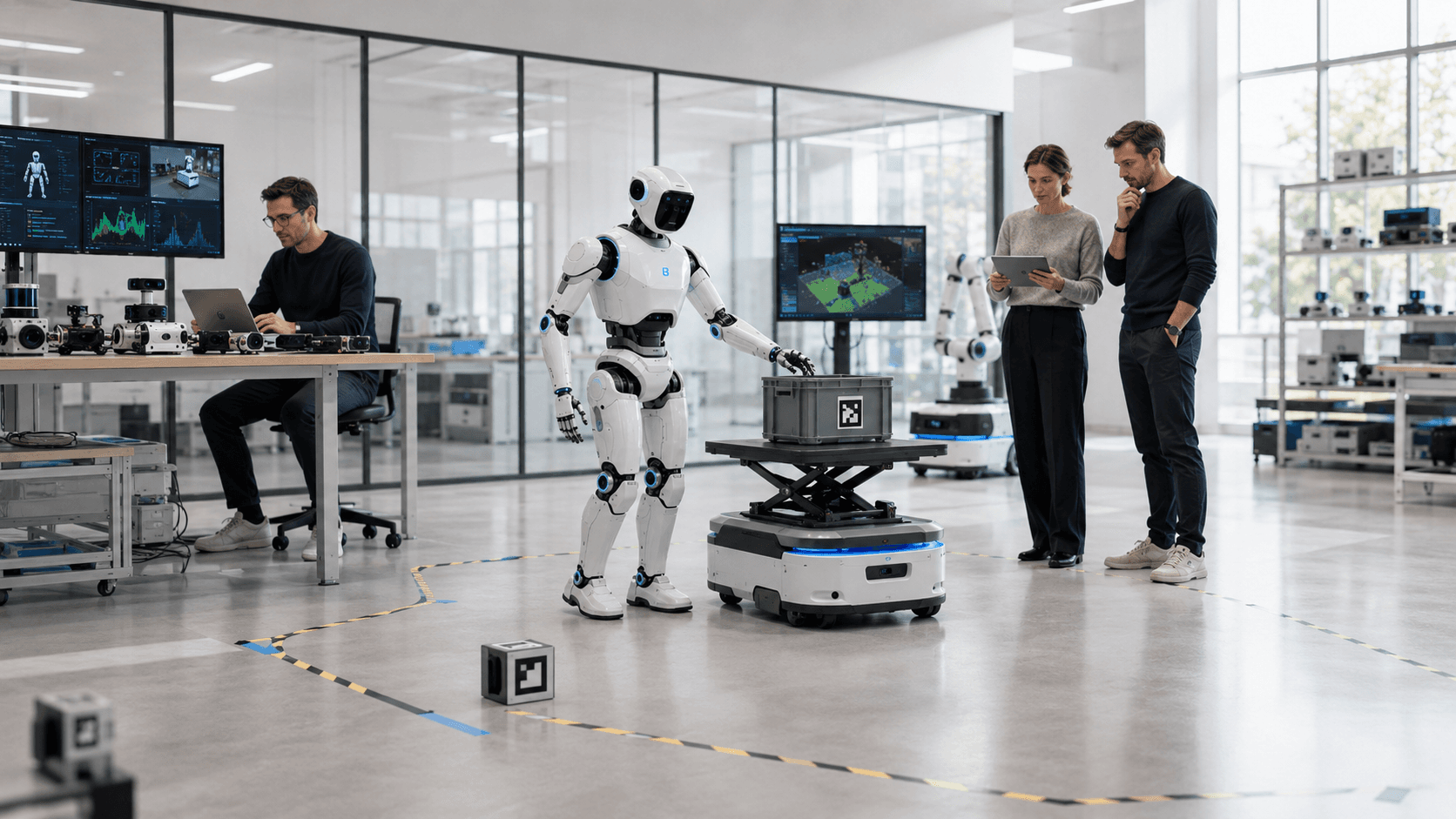
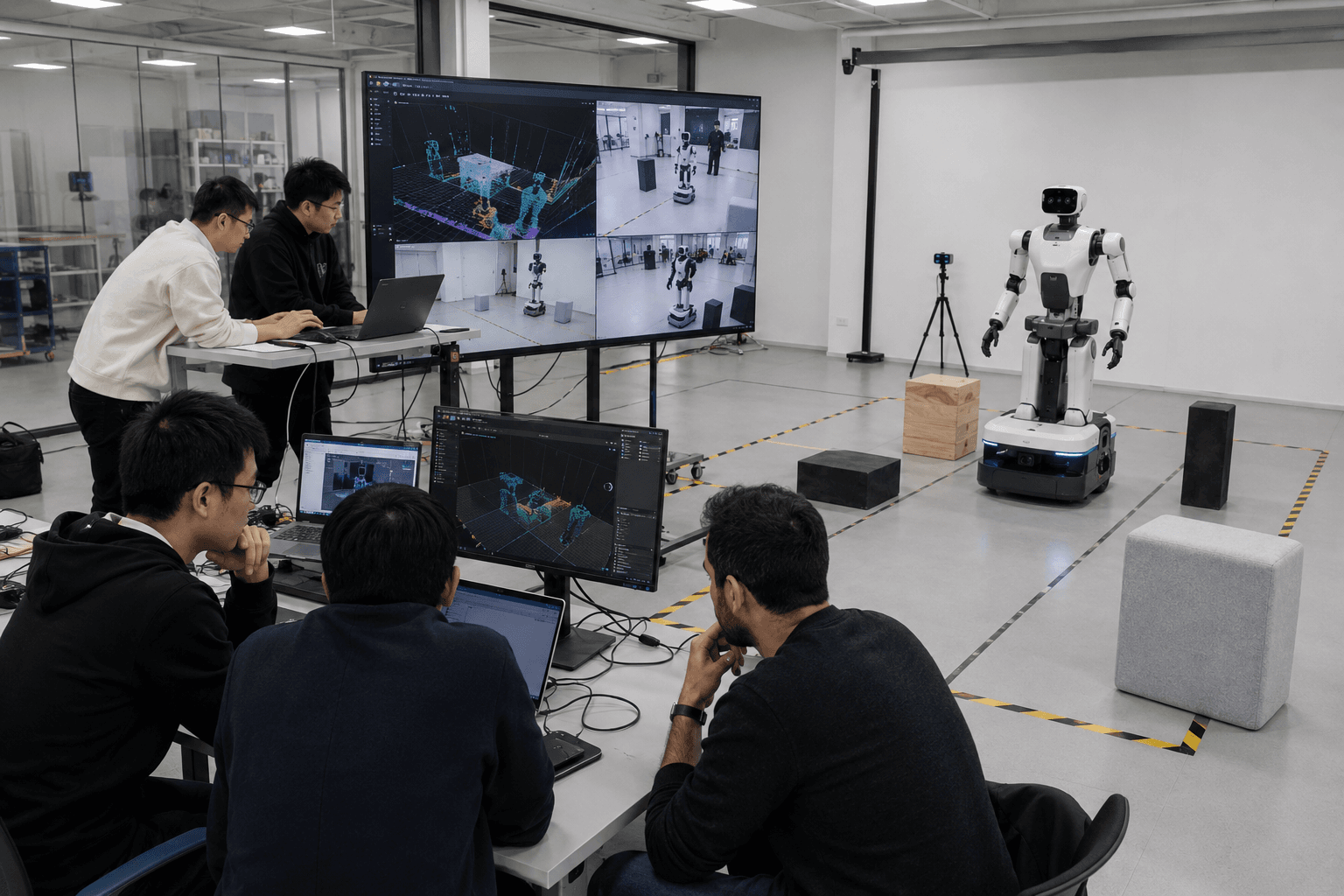
Engineers reviewing perception data while a robot moves through a marked test area
02In development

Robotics

Modular AI and control software for humanoid, mobile and industrial robotic platforms.

We develop the control architecture for humanoid robots, mobile manipulation, care and service robots and industrial applications. Perception, mapping, navigation, manipulation and safety form one coherent stack, validated in simulation first.

Go to Robotics

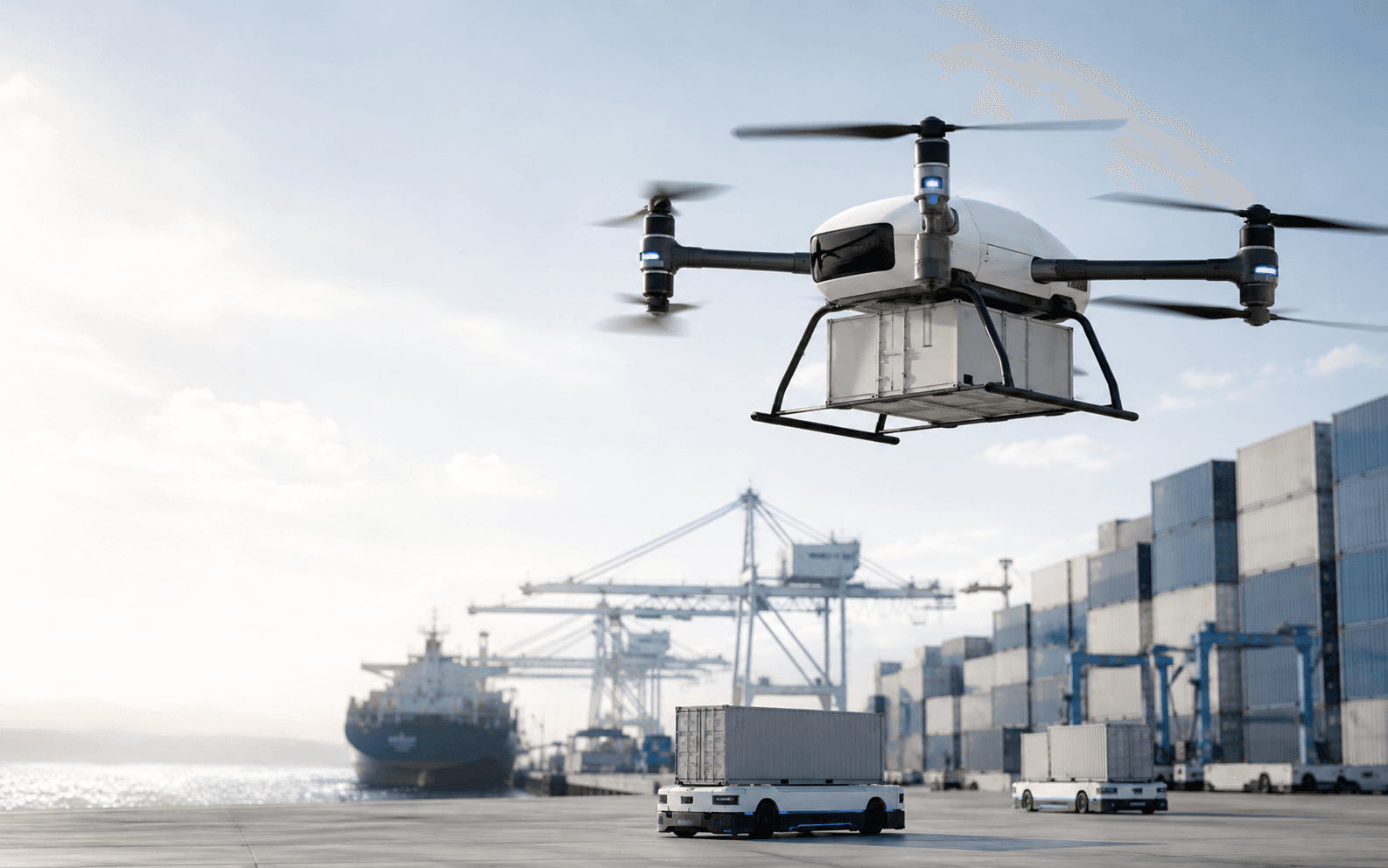
Container terminal with a gantry crane, stacked containers and autonomous container carriers
03R&D direction

Drones & Autonomous Mobility

AI and control software for autonomous drones, cargo platforms, logistics and autonomous mobility systems.

A research direction covering software for aerial systems, cargo platforms, autonomous logistics and port and container environments. We are building concepts and architecture; there are no commercial products today.

Go to Drones & Mobility
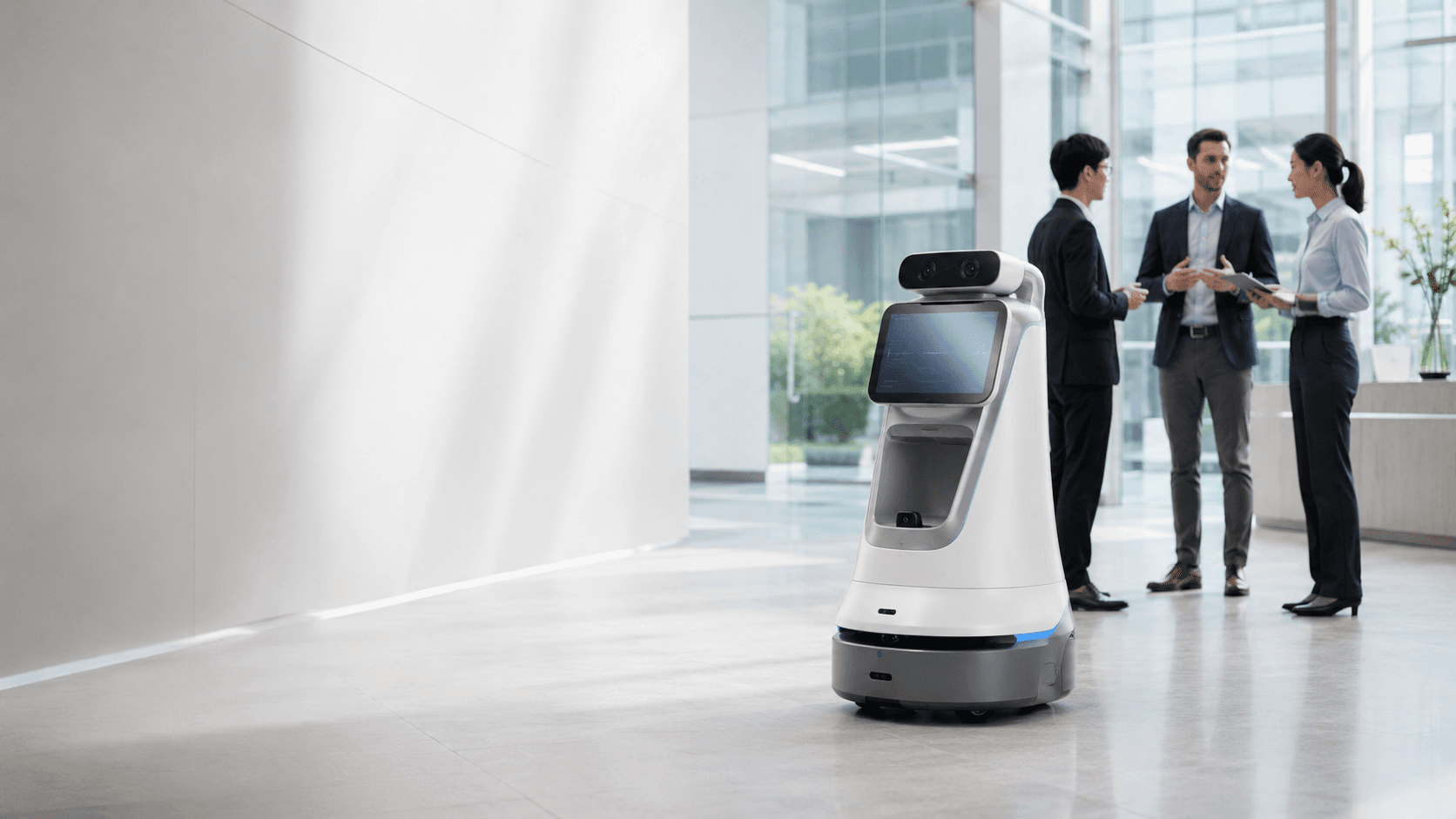
Concept visual of an assistance system in a corporate office environment
01In production

AI Systems

AI agents and business software running today

Our most mature division. AI agents that answer calls, handle customer questions, schedule appointments and automate administration — multilingual, sector-specific and in production with Belgian companies.

Go to AI Solutions

Software layer

The modules our autonomy is built from

One modular stack. Which modules a system uses depends on the platform and the task.

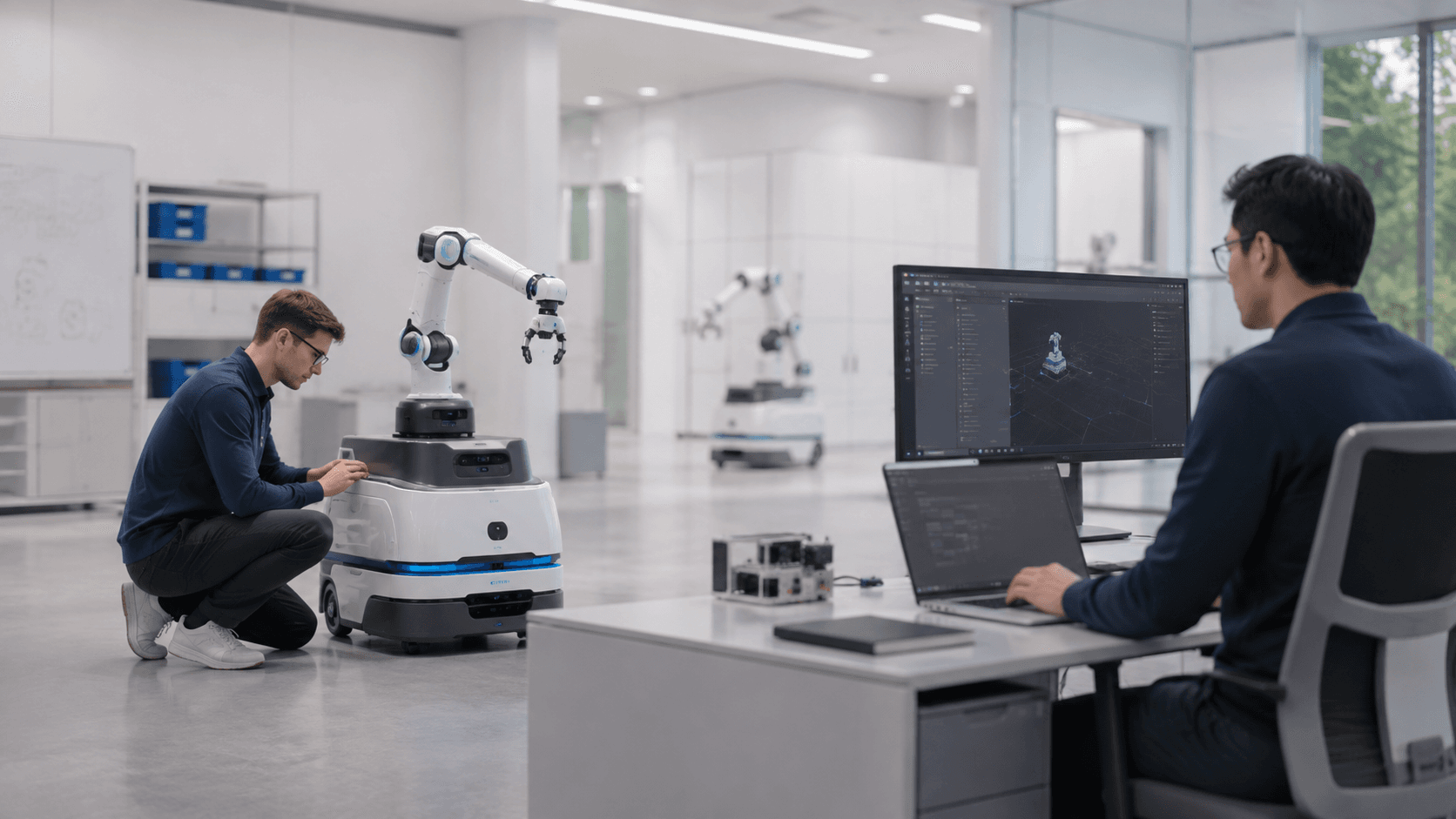
Engineers working on a mobile manipulator beside a simulation workstation
  • 01

    Perception

    Recognising objects, obstacles and the working area from camera, depth and LiDAR data.

  • 02

    Localization

    Pose estimation and mapping, with a consistent picture of the environment.

  • 03

    Planning

    Turning an instruction into an executable sequence of steps.

  • 04

    Navigation

    Path planning and motion within the platform’s own movement limits.

  • 05

    Coordination

    Working across multiple units and alongside the operator.

  • 06

    Safety

    A separate layer that can allow, slow or stop requested motion.

From simulation to deployment

  1. Simulation
  2. Integration
  3. Hardware validation
  4. Deployment with a partner
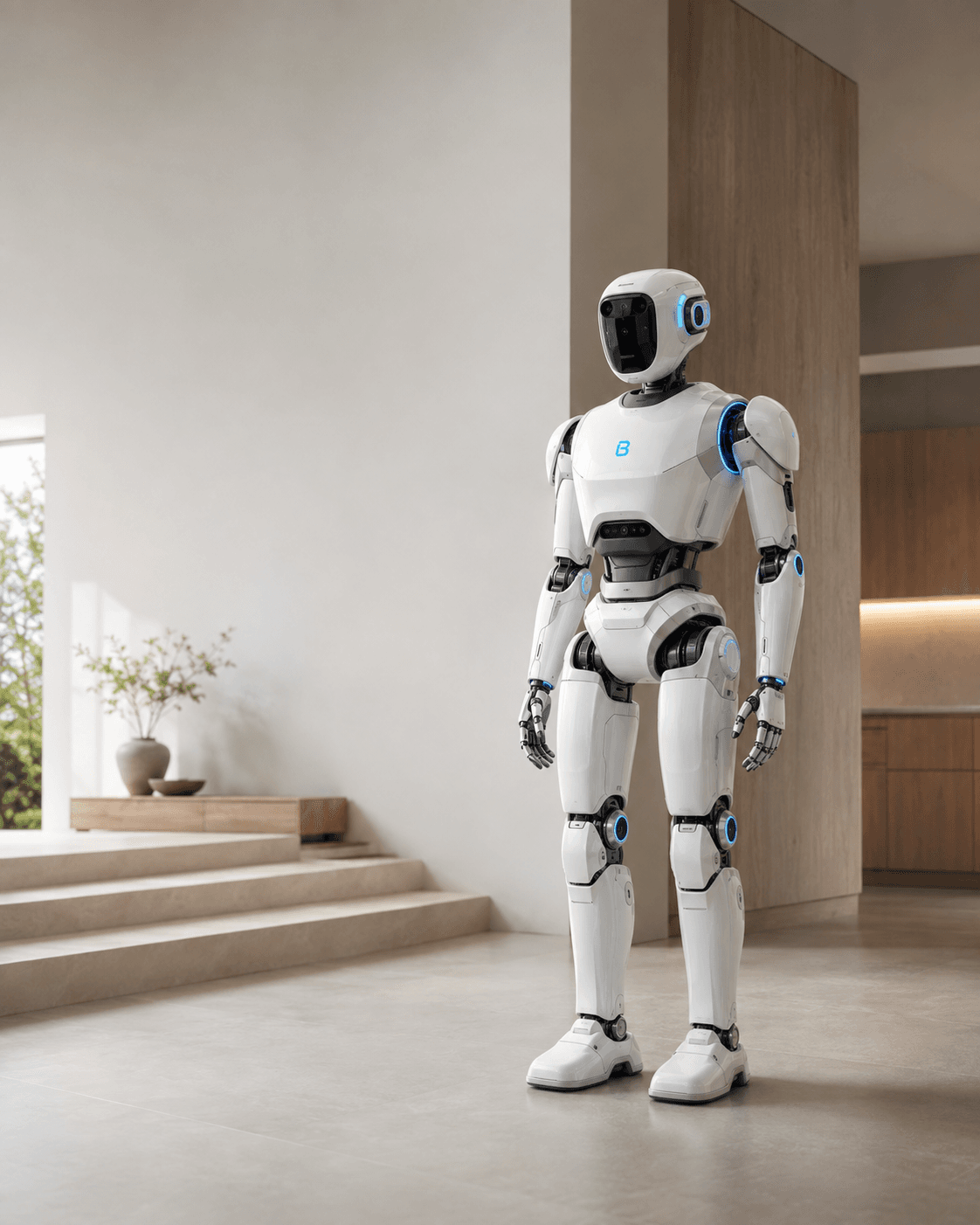
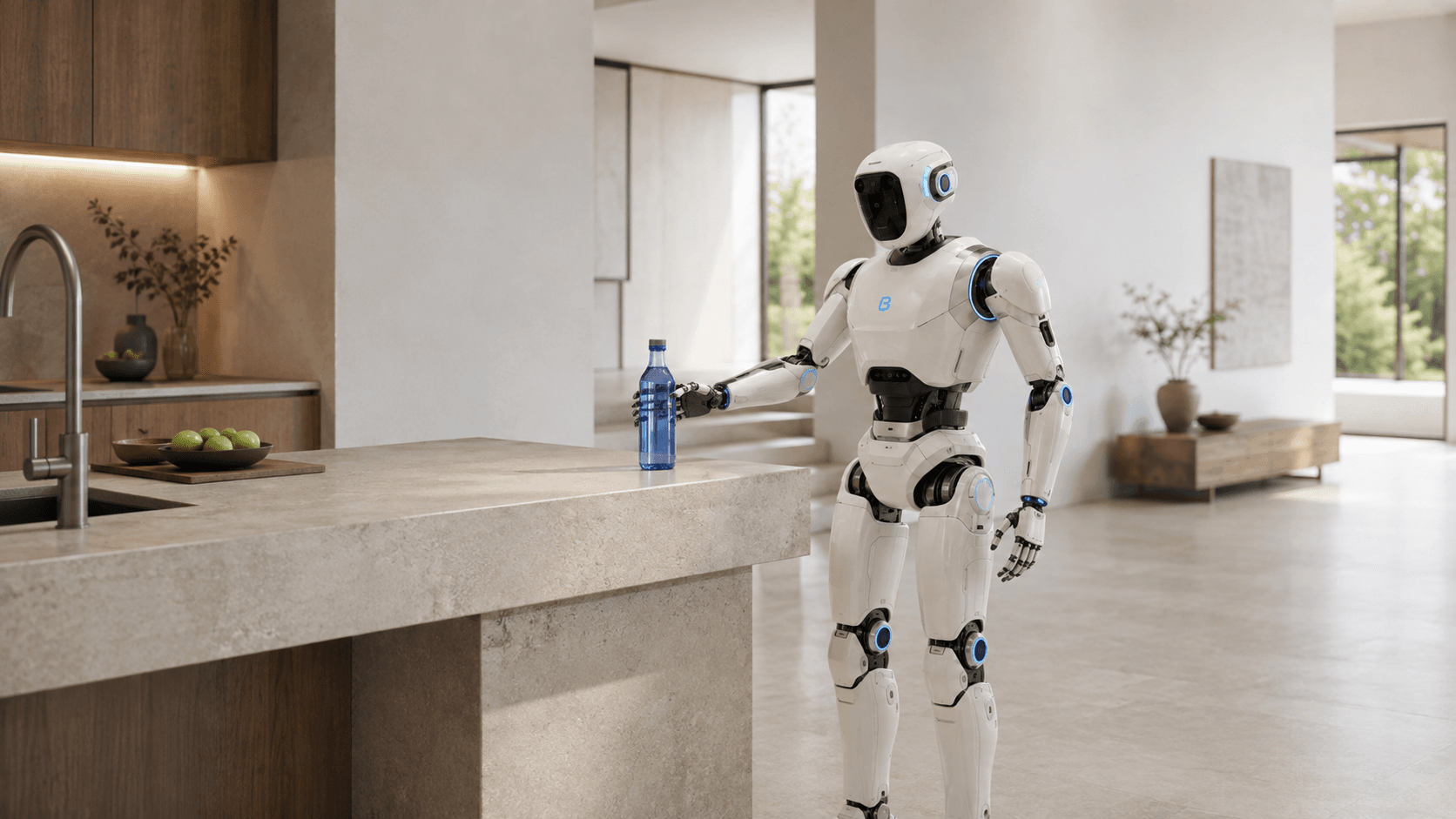
Concept visual of a BELTH humanoid standing in a modern home interior

Built by BELTH. Shaped by you.

The more it learns, the more it becomes yours.

BELTH is developing household autonomy designed to learn the home, its routines and its preferences through experience — so the same foundation becomes increasingly specific to the people it works for.

Explore Learning & Personalization

R&D and validation

From simulation to the physical world

Every step is validated virtually before it ever runs on hardware.

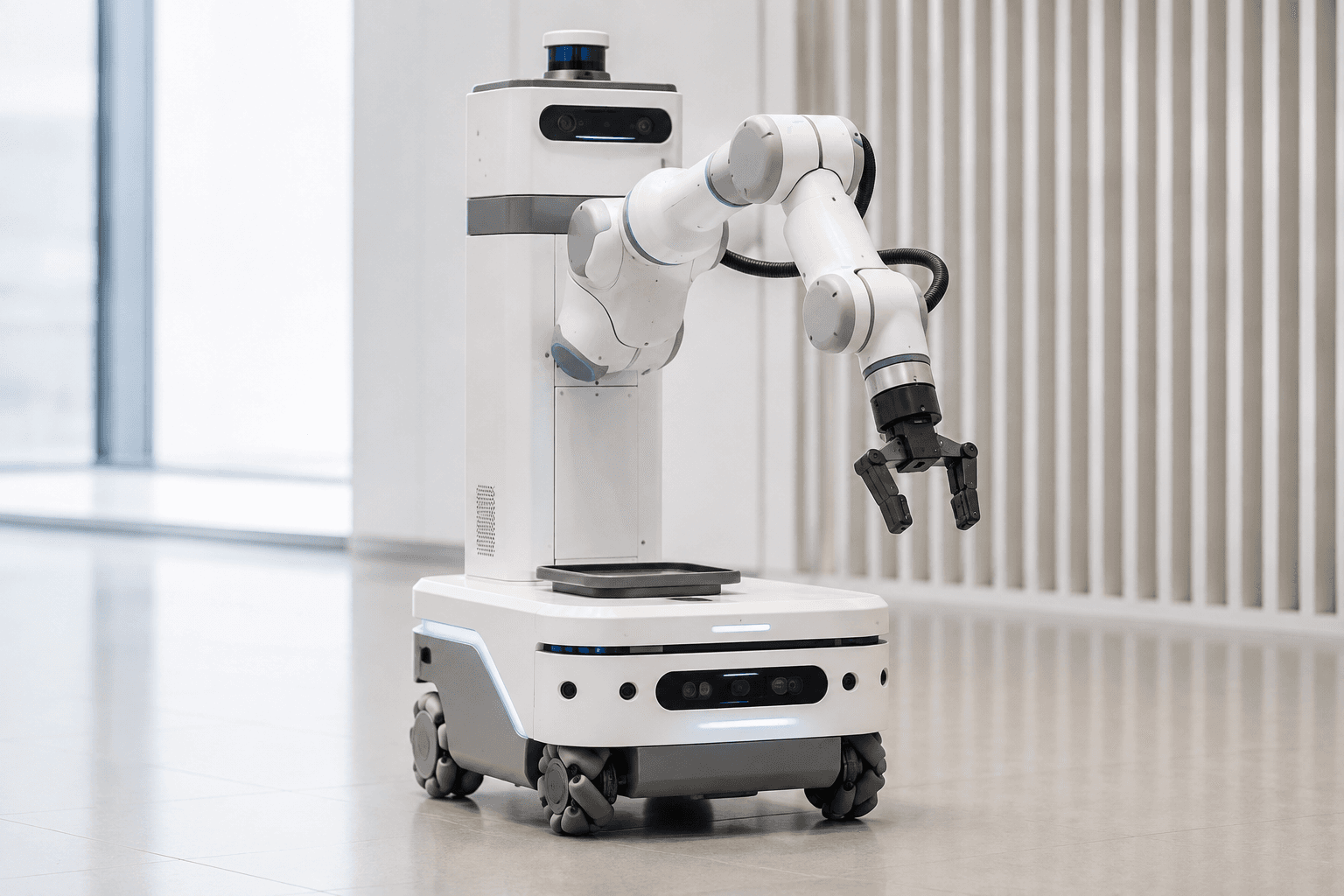
Close-up concept visual of a robotic arm on a mobile base
  1. 01

    Software architecture

    Modular structure, from perception through to safety layers.

    Under development
  2. 02

    Simulation

    Behaviour, navigation and manipulation tested in ROS 2 and Gazebo.

    Simulation validated
  3. 03

    Perception and navigation

    Perception, mapping and path planning refined on simulated scenarios.

    Under development
  4. 04

    Integration with hardware partners

    Our stack running on a manufacturer’s platform.

    Target capability
  5. 05

    Physical validation

    Controlled tests in a real environment, under human supervision.

    Target capability
  6. 06

    Commercial integration

    Roll-out together with the partner, once validation allows it.

    Target capability

BELTH develops software, architecture and product concepts, and works with hardware partners on integration and physical validation.

Collaboration

Built to integrate. Designed to scale.

BELTH brings the software. For the platform, the terrain and the scale-up, we are looking for partners.

View partnerships

We are looking for

  • Robot manufacturers
  • Drone manufacturers
  • Hardware companies
  • System integrators
  • Pilot partners
  • Research partners
  • Investors

Collaboration models

  • Integration
  • Licensing
  • Joint development
  • Pilot projects
  • R&D validation
Engineers and business partners discussing a humanoid robot platform in a robotics development lab

Building intelligence for machines that move through the real world.

Are you a manufacturer, integrator, research partner or investor? Let us look at where our software and your platform reinforce each other.