02
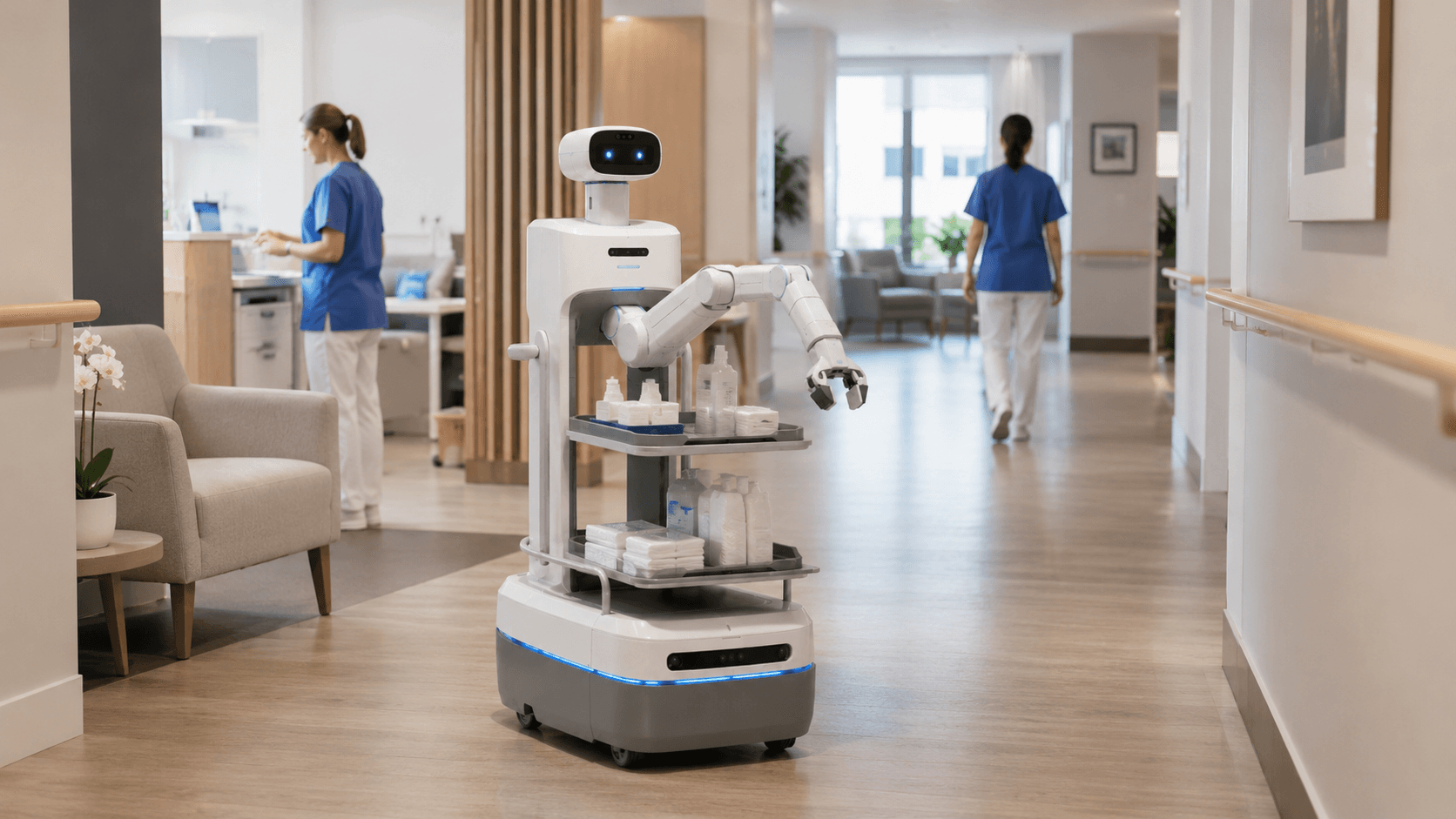
Care and assisted living
Supporting care staff and residents: fetching items, keeping an eye out and simply being present, without taking over the care itself.
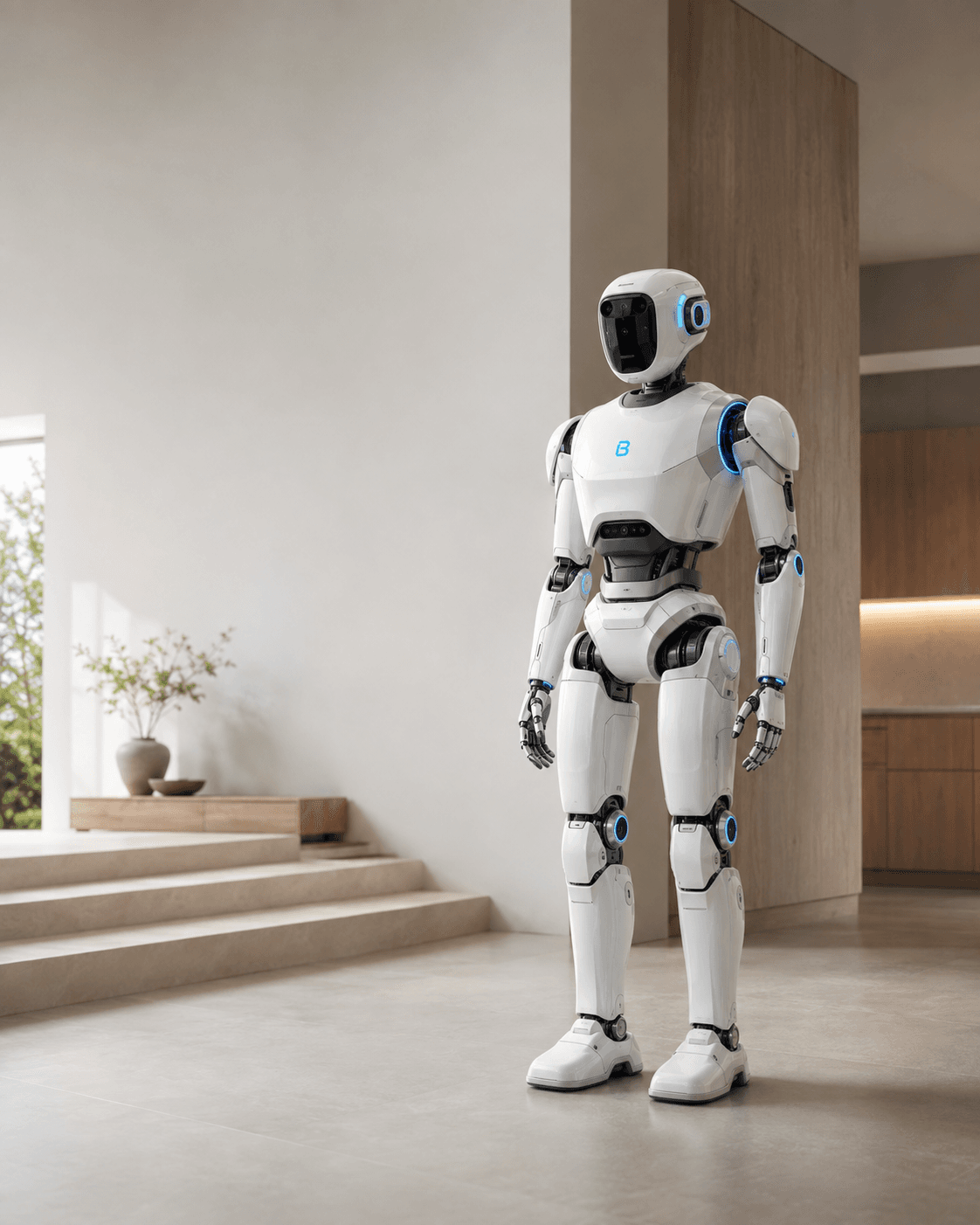
AI software for humanoid robots in the home, care, industry and logistics.
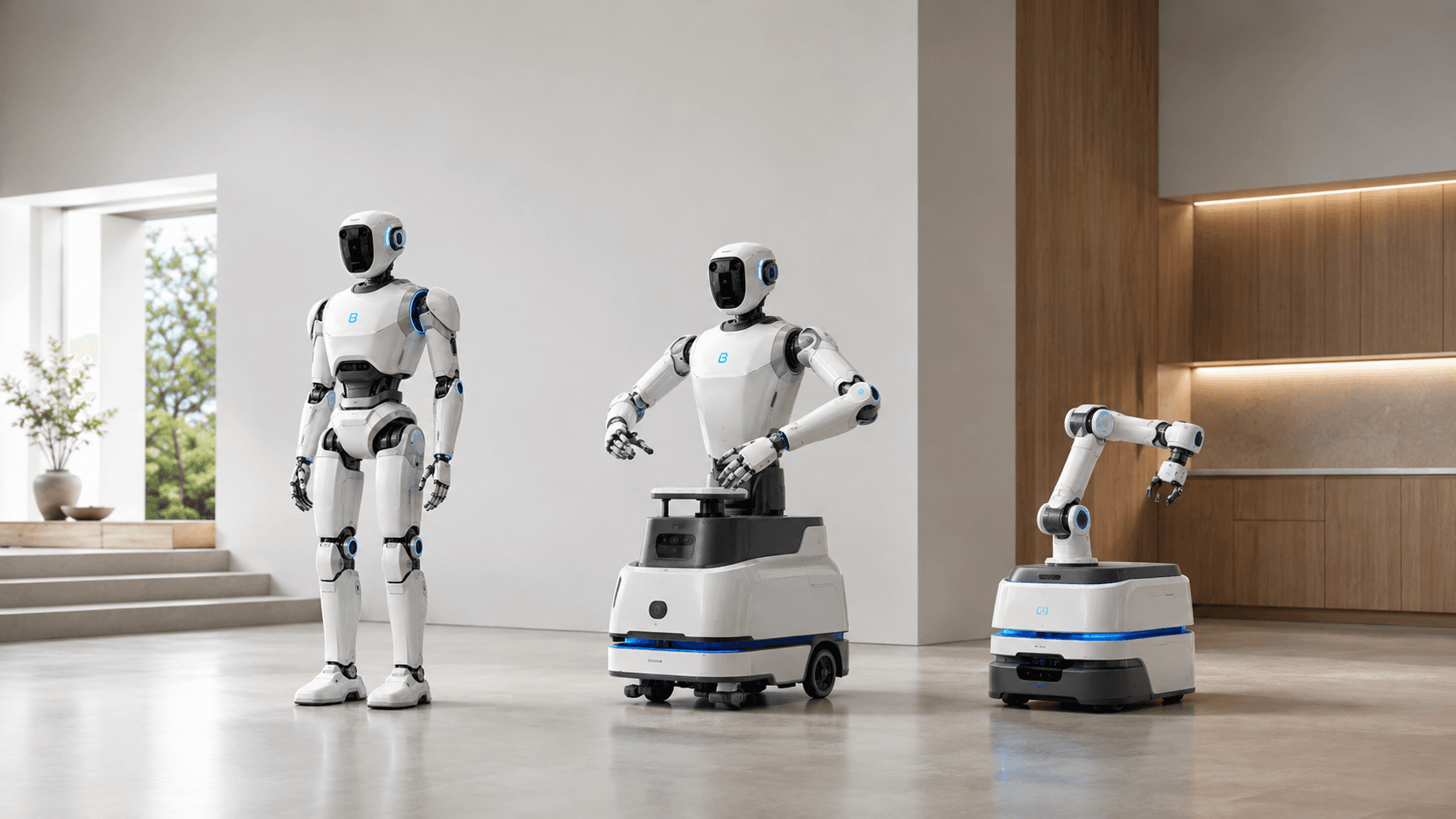
We develop modular software that lets a humanoid robot perceive its surroundings, map them, navigate safely, plan tasks and handle objects — with people always in control.
Introduction
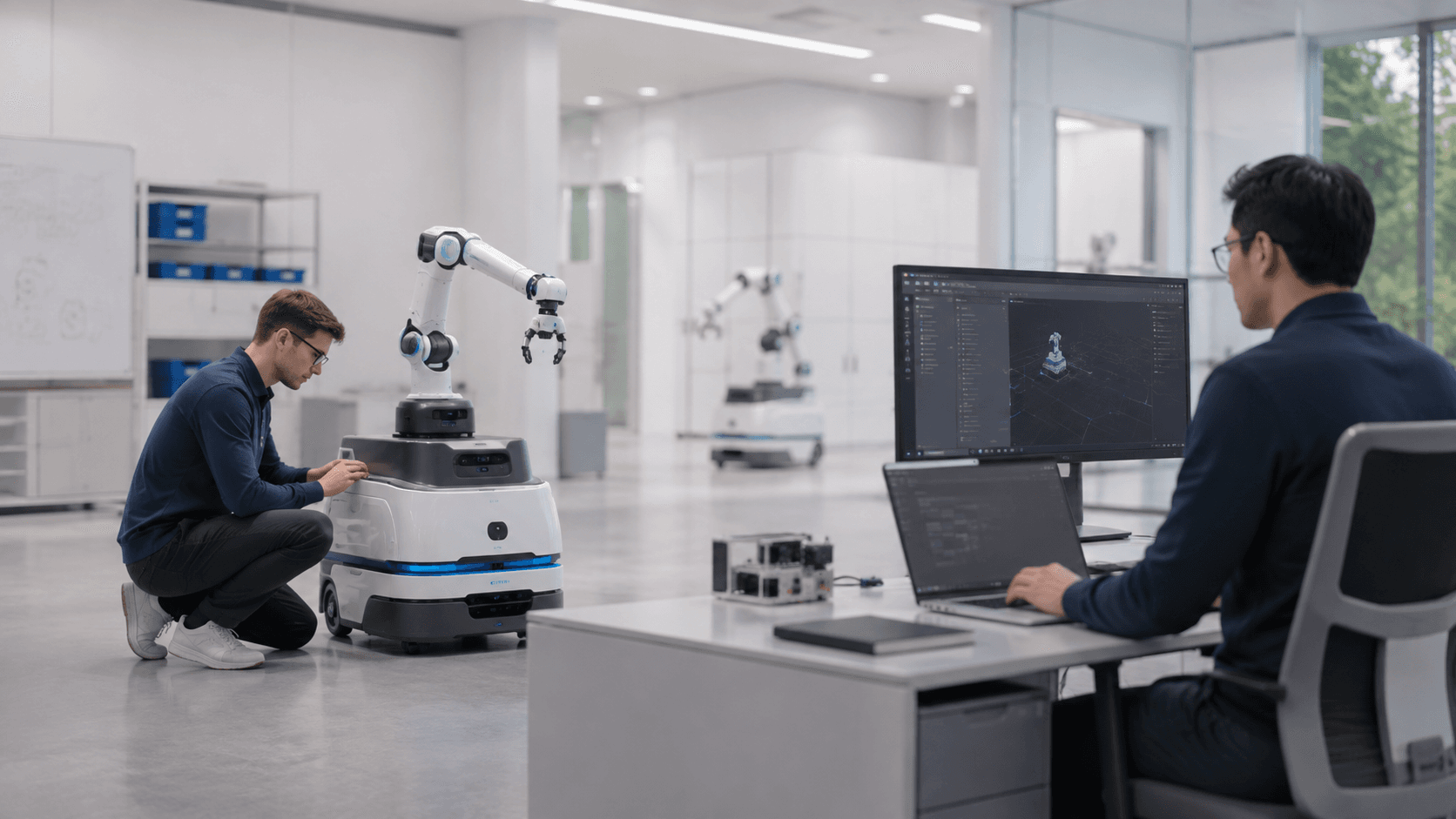
A robot only becomes useful once it understands what is happening around it and picks the right sequence of actions by itself. That is exactly where our work sits: the software that turns perception into useful action.
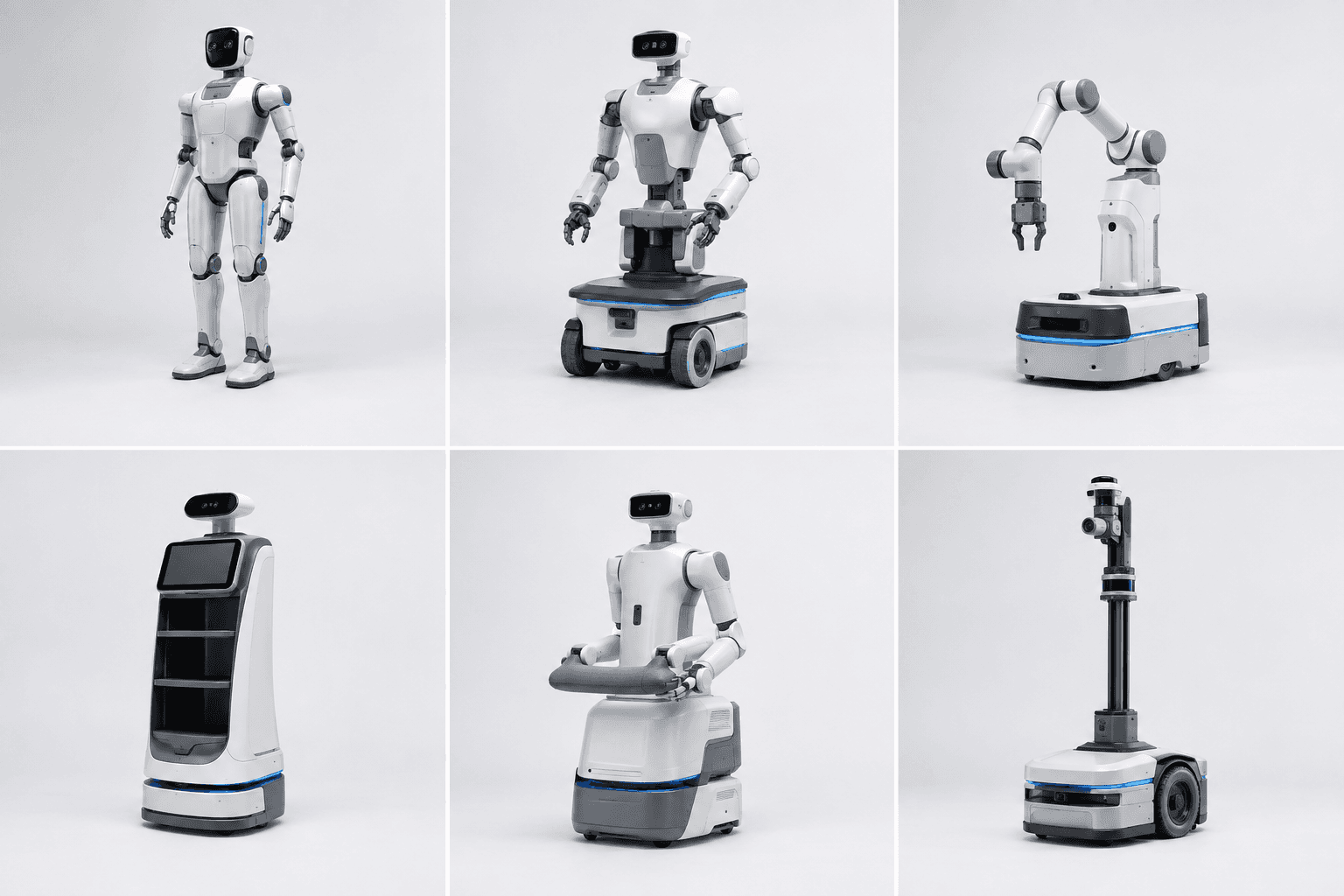
BELTH builds that software layer and the accompanying product concepts. The robot itself comes from a manufacturer. That way we combine our knowledge of AI and autonomy with the production capacity of partners who already build hardware.
Software stack
Each module works on its own, but only becomes powerful in combination.
The robot sees and recognises people, objects and obstacles through cameras and sensors.
It builds an up-to-date 3D map of the space and knows where it is.
A task is translated into a logical sequence of sub-steps.
It picks a safe route and adjusts as soon as something changes.
Grasping, carrying and placing objects with the right force and precision.
Limits, emergency stop and human oversight are built into every layer.
Product direction
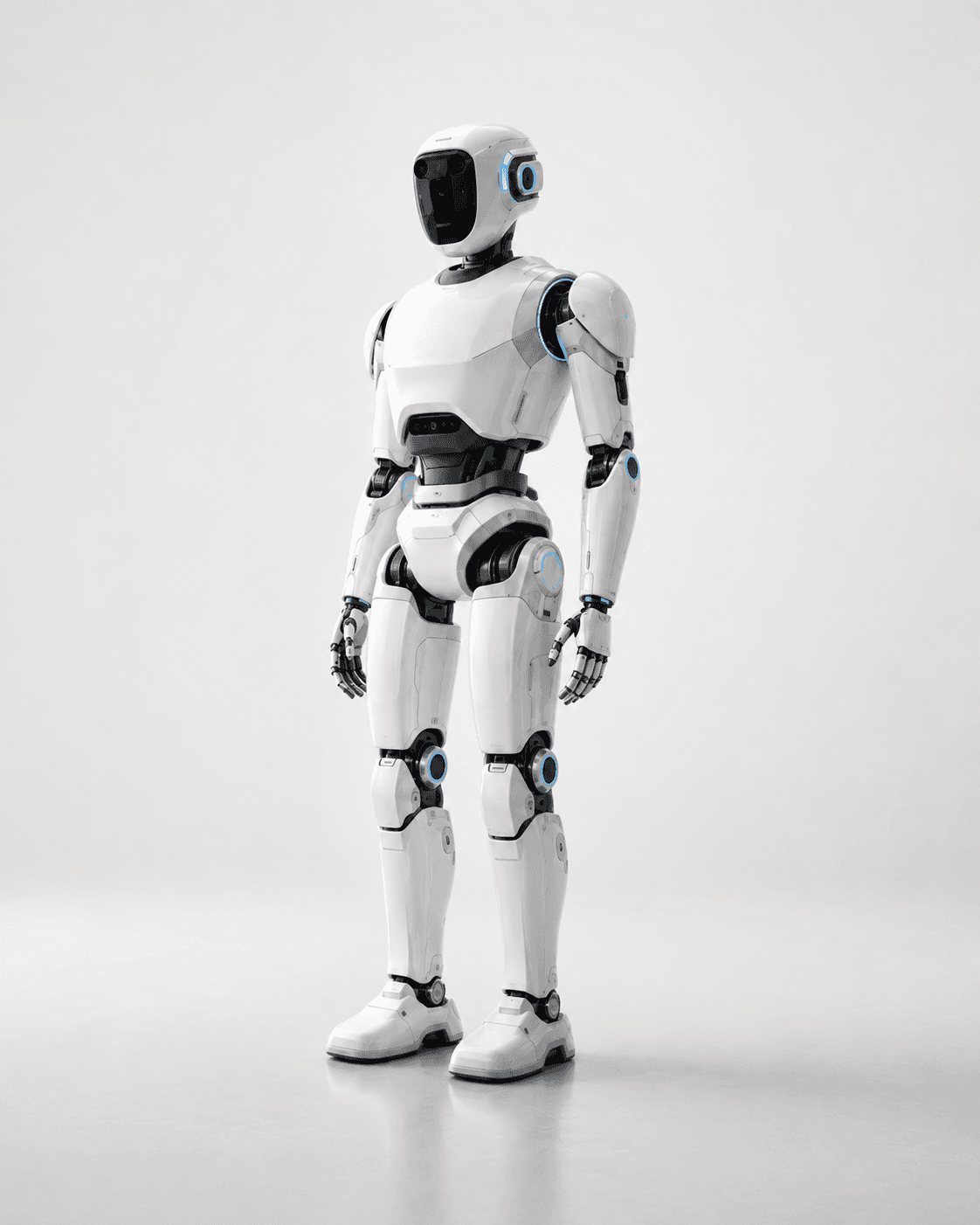
Most humanoid programmes answer the question "what can this robot do?". BELTH is developing an answer to a different one: what can you teach it? A dedicated page sets out the direction — learning the home, learning from demonstration, household memory, and why none of it is allowed to touch the safety layer.
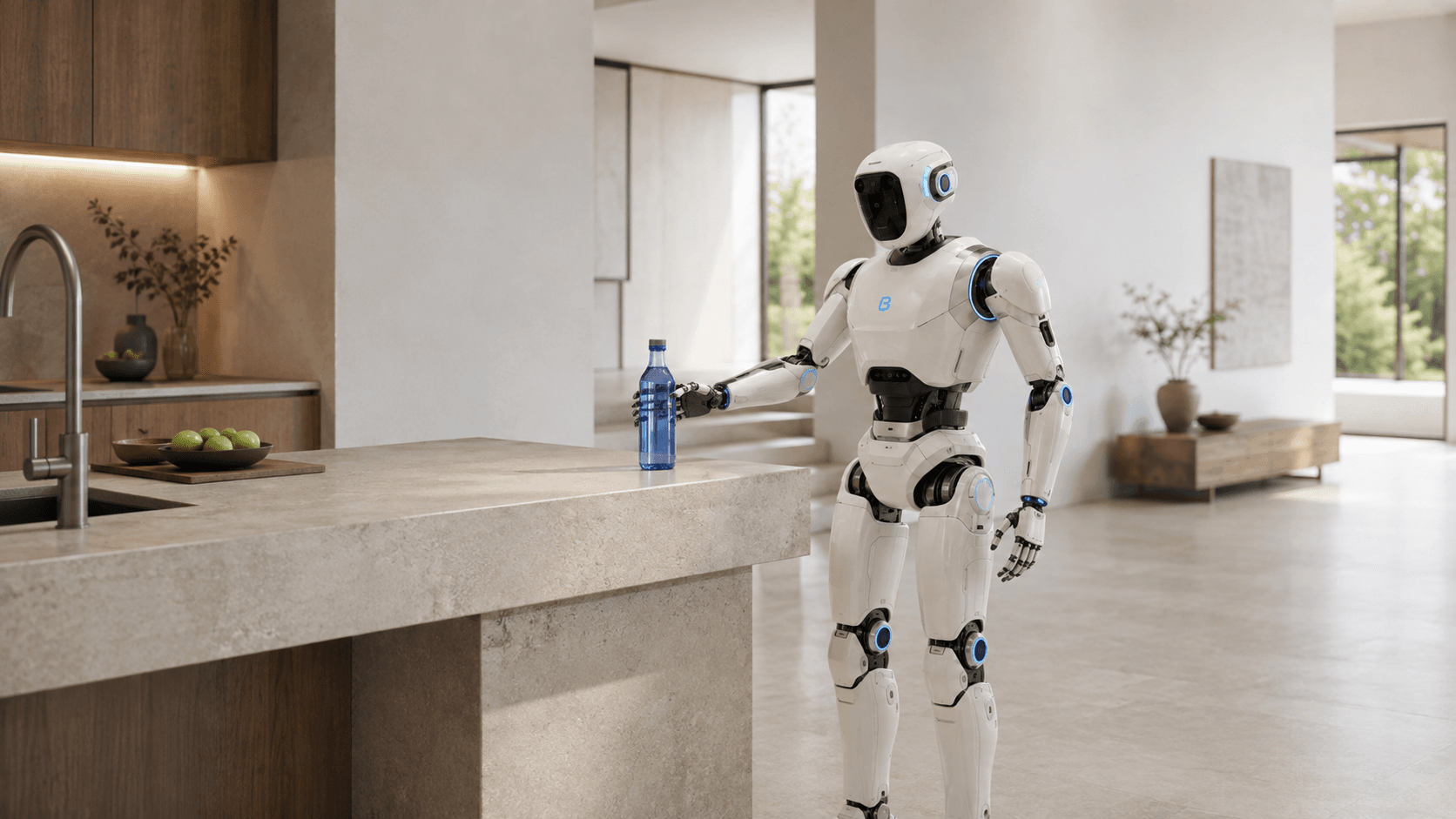
Application areas
Four domains BELTH is developing this software for. None of them is a shipping product today.
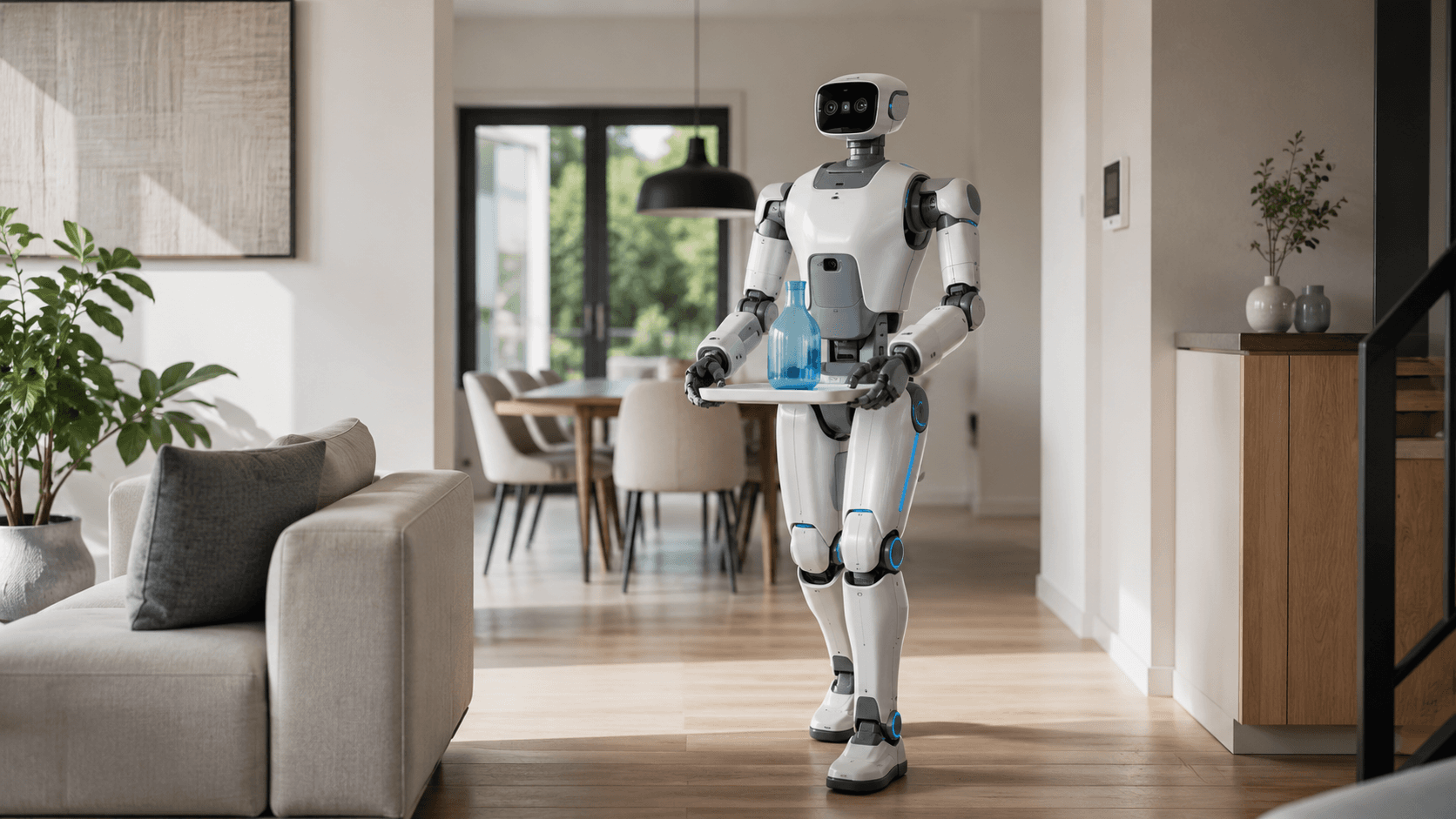
Helping with tidying, carrying and recurring chores at home, so people can live independently for longer.
Supporting care staff and residents: fetching items, keeping an eye out and simply being present, without taking over the care itself.
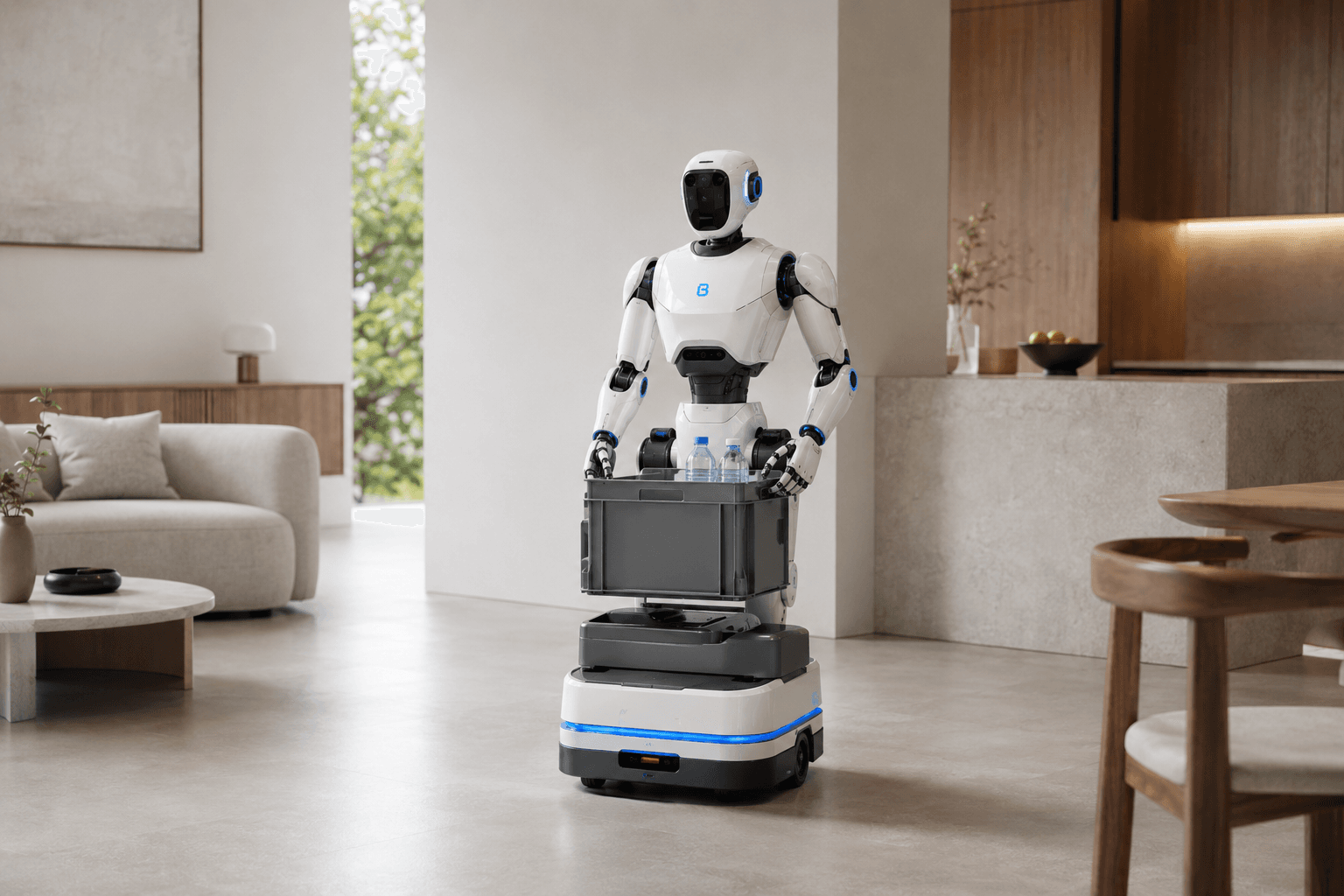
Taking over repetitive operations on the line, even when the setup changes regularly.
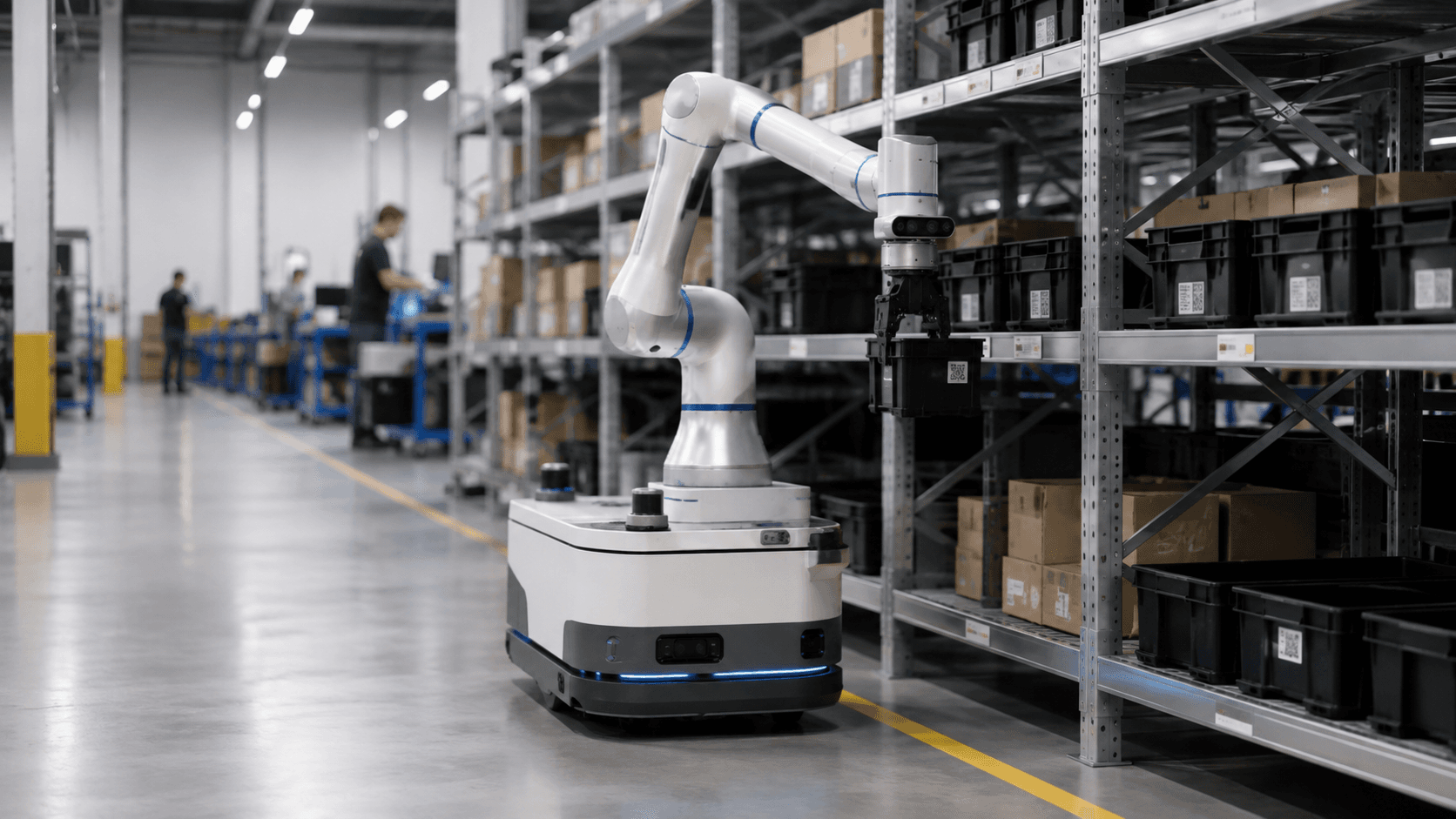
Assembling orders, moving boxes and feeding material between people and machines.
How it works
Four steps the robot runs through again and again.
Sensors capture the environment: who is there, what is where, what is moving.
The software links that picture to the task and works out what is needed.
The robot performs the steps: moving, picking up, handing over, putting away.
Every action is checked and logged, and can always be stopped by a person.
The core
A living room, a care room, a production hall and a warehouse look completely different, yet they ask exactly the same of a robot: see what is there, understand what needs to happen and act safely. We build that layer properly once, then tune it per environment.
Development status
We are open about what is finished and what still lies ahead.
Watch the autonomy demo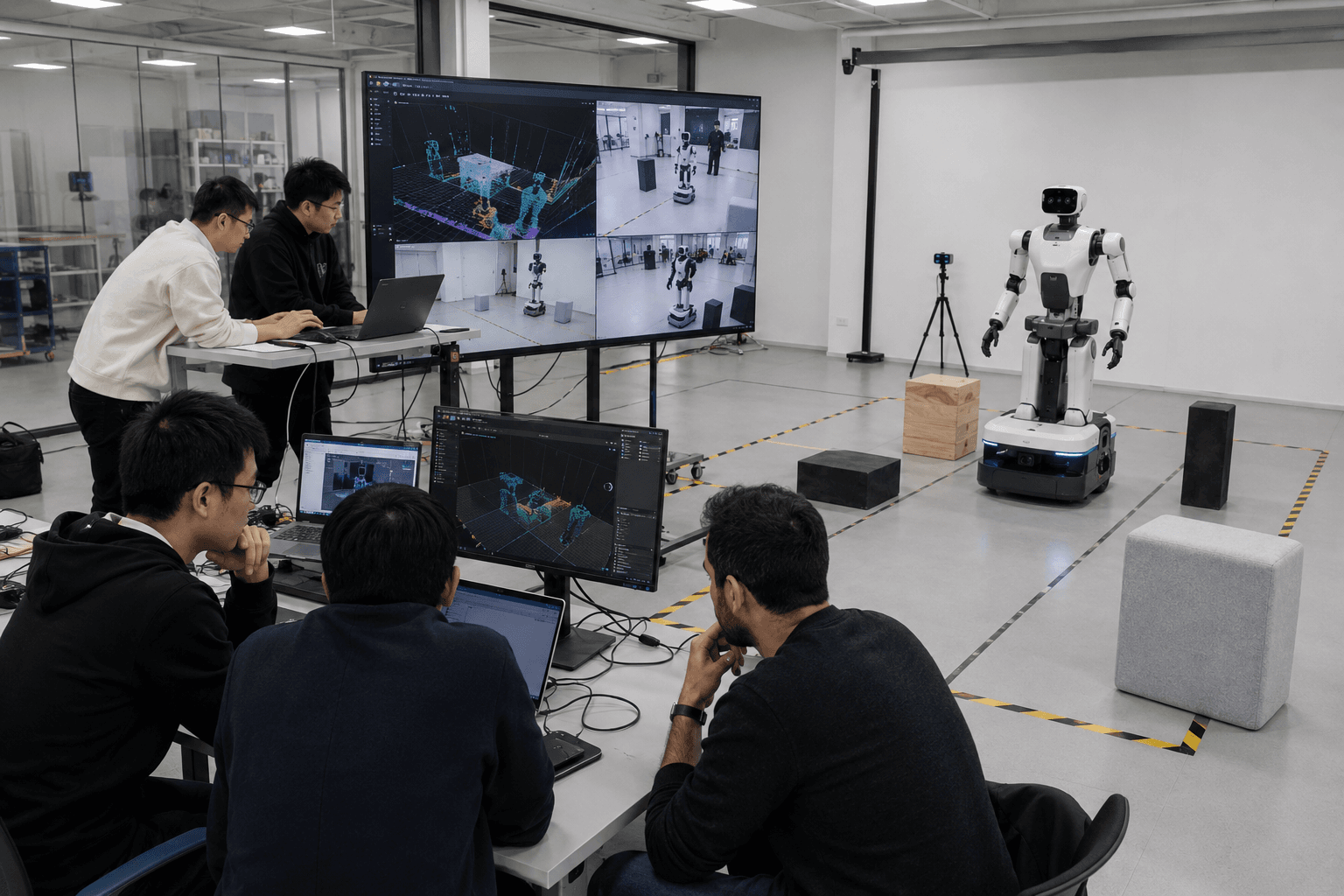
The modular structure from perception through to safety is settled.
We test behaviour, navigation and manipulation in a virtual environment.
The next phase: running our software on a real robot platform.
We are looking for a hardware partner and a test environment to take that step.
Divisions
The same perception, navigation and integration modules return in every division. What runs in software today is the foundation for what we are building in robotics and autonomous mobility.
Collaboration
Every track starts small and concrete.
You license our control software for your own robot platform.
We work together from concept design and simulation to a working prototype.
We bring our software layer onto your existing hardware and sensors.
We test a scoped application in a real environment, with clear criteria.
We are looking for robot manufacturers, integration partners and investors to turn software into a working system.